

The Quantum Threat May Already Be Inside the Clock
There is an uncomfortable feature of the quantum computing revolution that gets lost amid the extraordinary promises of new drugs, advanced materials, better artificial intelligence and computational breakthroughs that would be impossible with today's machines.
Quantum computing doesn't have to arrive tomorrow to create a cybersecurity problem today.

The Capacity Hidden in Our Cities
The next great infrastructure opportunity may not be building more. It may be getting more from what we already have.
America is entering a new era of electricity demand.
AI. Data centers. Advanced manufacturing. Electrification. Economic development.
Each is creating enormous new requirements for power—often much faster than the infrastructure required to serve it can be planned, permitted and constructed.

The Quantum Clock Is Running
Google is targeting 2029. The federal government has established a 2030 objective for critical systems. Post-quantum cryptography is no longer a future cybersecurity problem.
For years, quantum computing occupied a comfortable category:
Important. Transformational. But distant.
That assumption is becoming increasingly difficult to defend.

The Quantum Threat Isn't Coming. It Has Already Started.
Most discussions about quantum computing begin with a question:
"When will quantum computers become powerful enough to break today's encryption?"
It is the wrong question. The more important question is:
"How long will it take to protect the world's critical infrastructure before that day arrives?"
The answer is measured not in months—but in years.
That is why governments around the world have already begun one of the largest cybersecurity transitions in history: migrating to post-quantum cryptography (PQC).
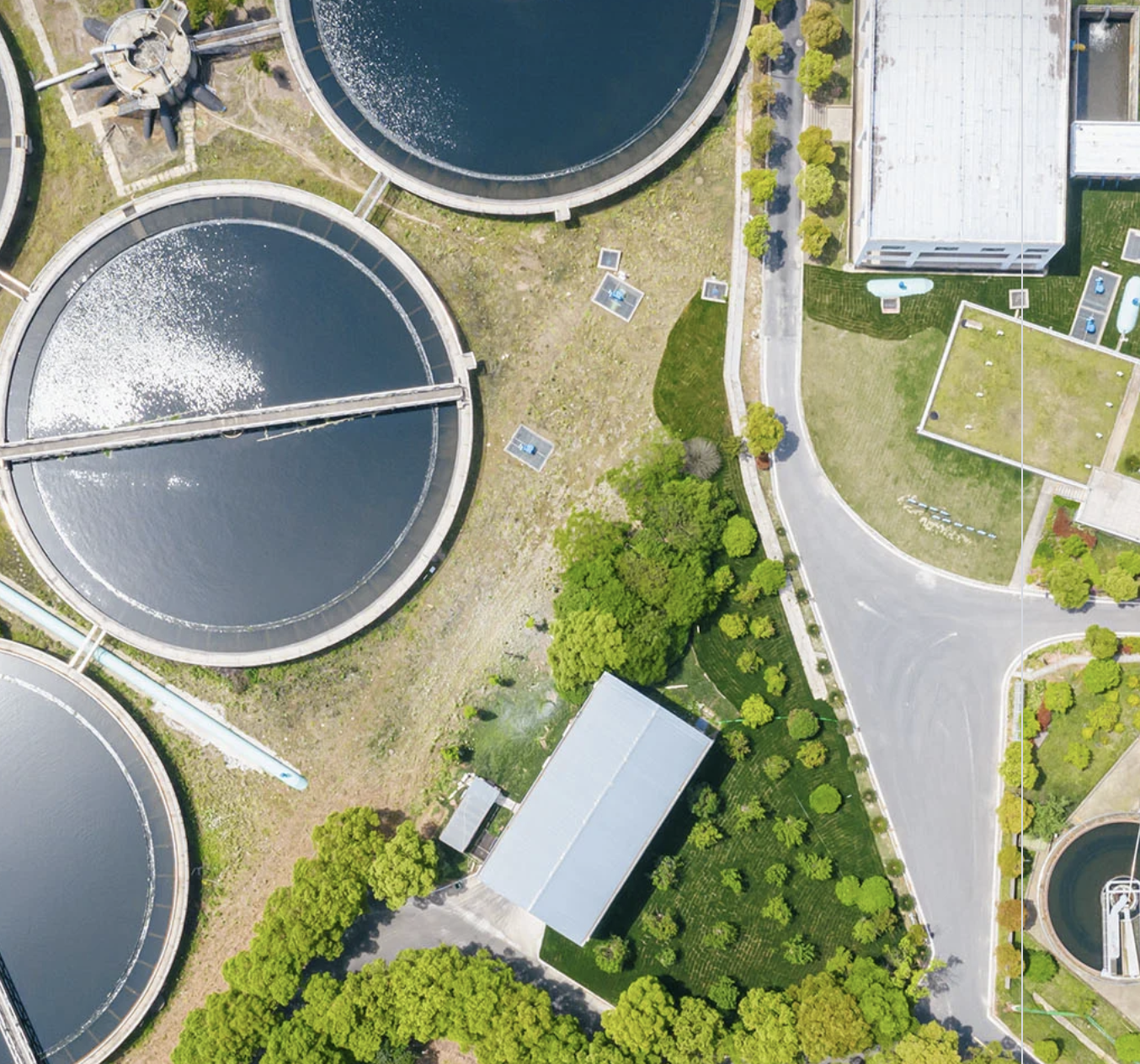
Protecting America's Water Infrastructure
For years, cybersecurity experts have warned that America's water and wastewater infrastructure represents one of the nation's most attractive targets for cyber adversaries. Last week's coordinated attacks against multiple water systems in Minnesota—and the subsequent reports of similar activity expanding to additional states—demonstrate that this threat is no longer theoretical. It has arrived.
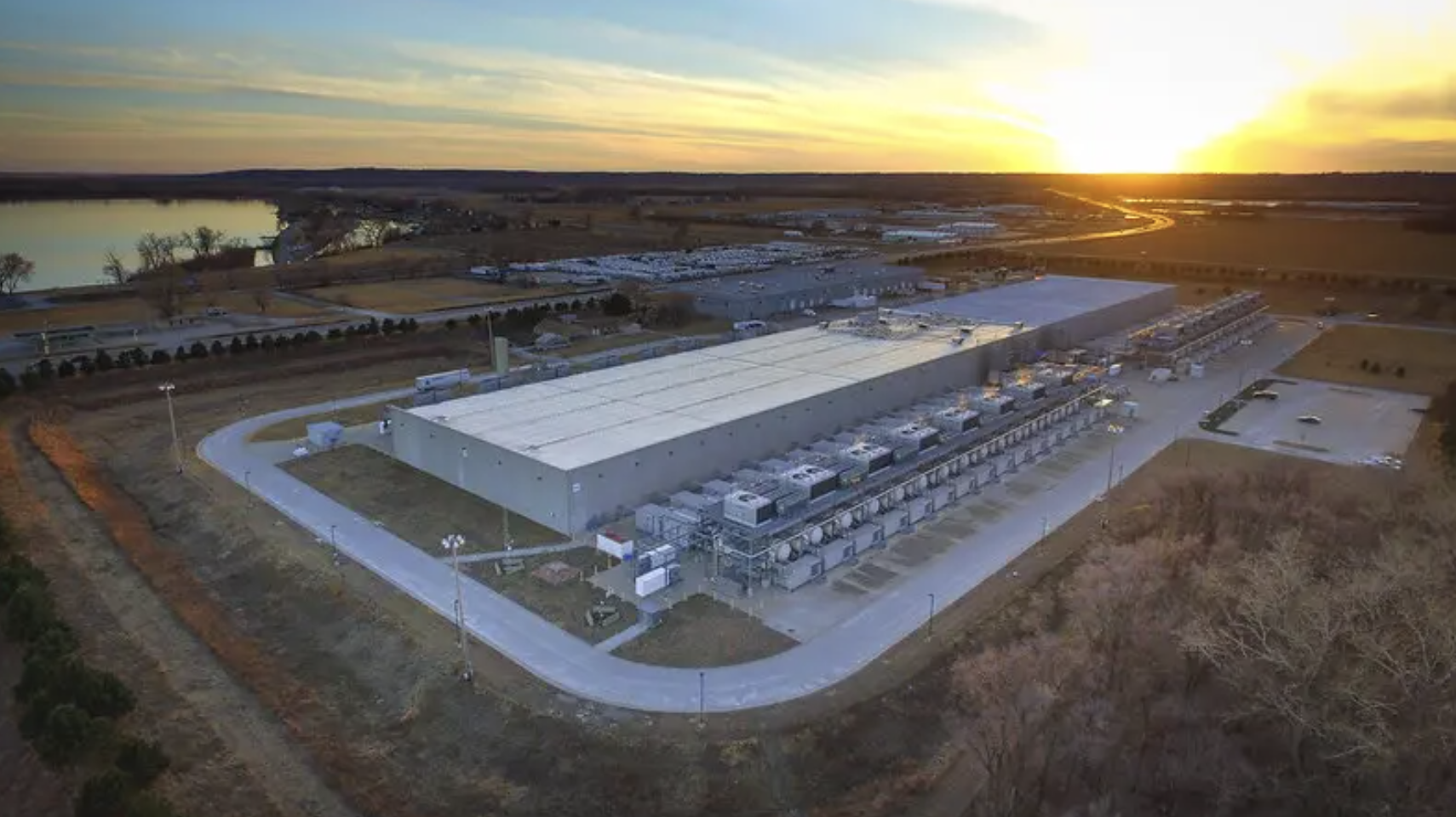
The Grid Isn't Running Out of Power. It's Running Out of Time.
For years, the conversation around America's electrical grid has revolved around one question:
How do we build more power?
The Wall Street Journal recently framed the challenge in stark terms. Utilities across the United States are preparing to invest roughly $1.4 trillion over the next five years as electricity demand accelerates, driven by artificial intelligence, hyperscale data centers, manufacturing, and electrification.

The Rise of the Experienced Entrepreneur: Why Industry Veterans Are Building the Next Wave of Infrastructure Companies
For decades, entrepreneurship has been associated with youth.
Silicon Valley popularized the image of the first-time founder—early in their career, moving fast, disrupting industries with new ideas and new technologies.
That narrative still exists.
But alongside it, a different—and increasingly powerful—trend is emerging

The Network Advantage: Platforms, Experience and the Next Era of Infrastructure Innovation
The data center and energy infrastructure industries are entering one of the most consequential periods of innovation in decades.
Artificial intelligence is driving unprecedented digital infrastructure demand. Electrification is accelerating across sectors. Utilities and operators are confronting new reliability and sustainability pressures.
At the same time, a quiet transformation is happening in the workforce itself.

When Sales Headcount Isn’t the Answer
Enterprise growth is often framed as a hiring problem.
More pipeline? Hire reps.
New market? Hire a specialist.
Strategic account stalled? Add coverage.
In simple markets, that logic can work.
In complex enterprise and institutional markets, it often doesn’t.
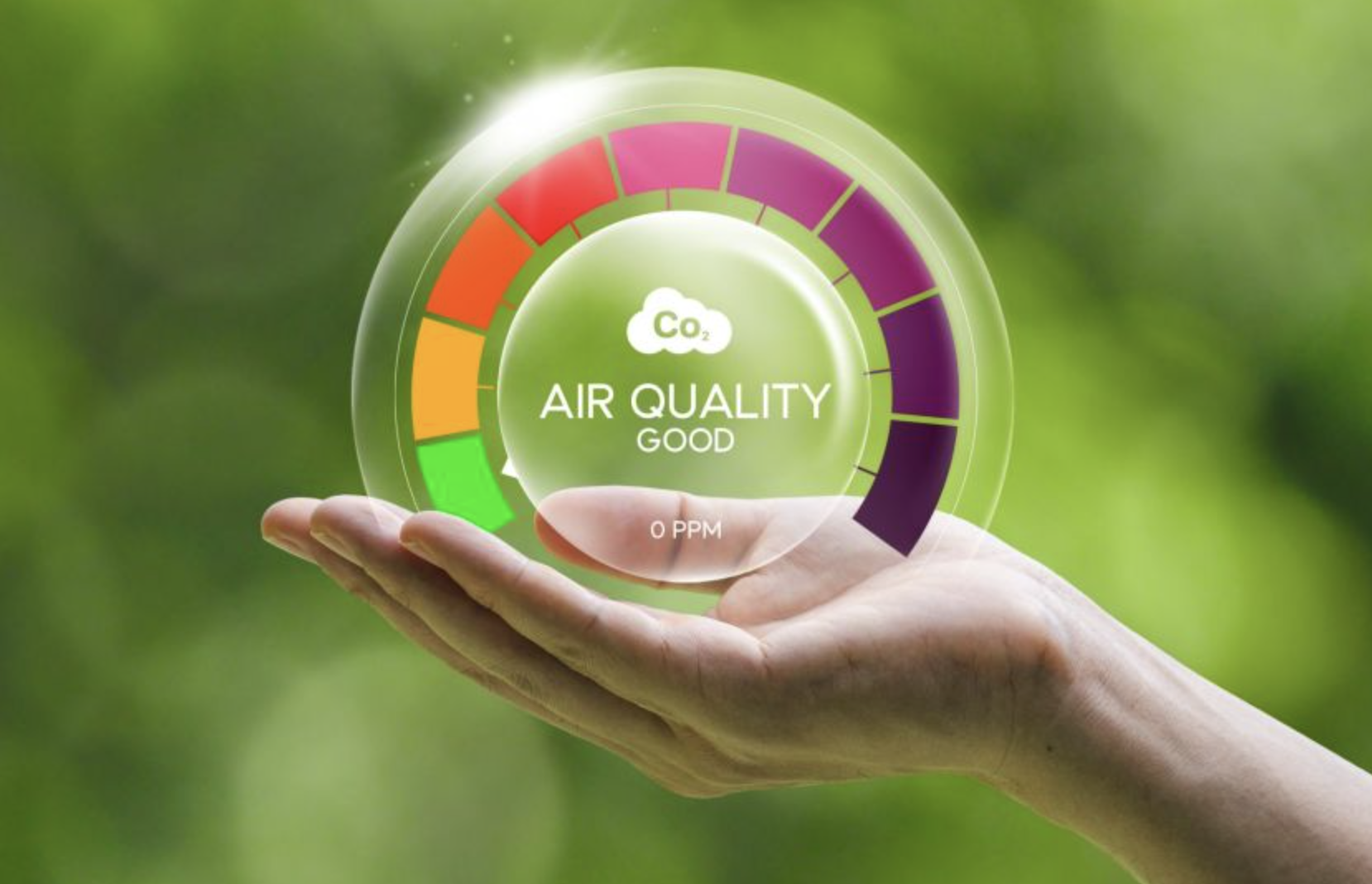
The Air We Share: Why Indoor Air Quality Deserves Attention This October
October is National Indoor Air Quality Month—and there’s never been a more important time to talk about the air we breathe indoors.
Why Indoor Air Quality Matters
We spend up to 90% of our time indoors, yet indoor air can be 2 to 5 times more polluted than outdoor air, according to the EPA. In public and commercial buildings, poor IAQ has been linked to headaches, fatigue, respiratory issues, decreased cognitive function, and increased absenteeism.
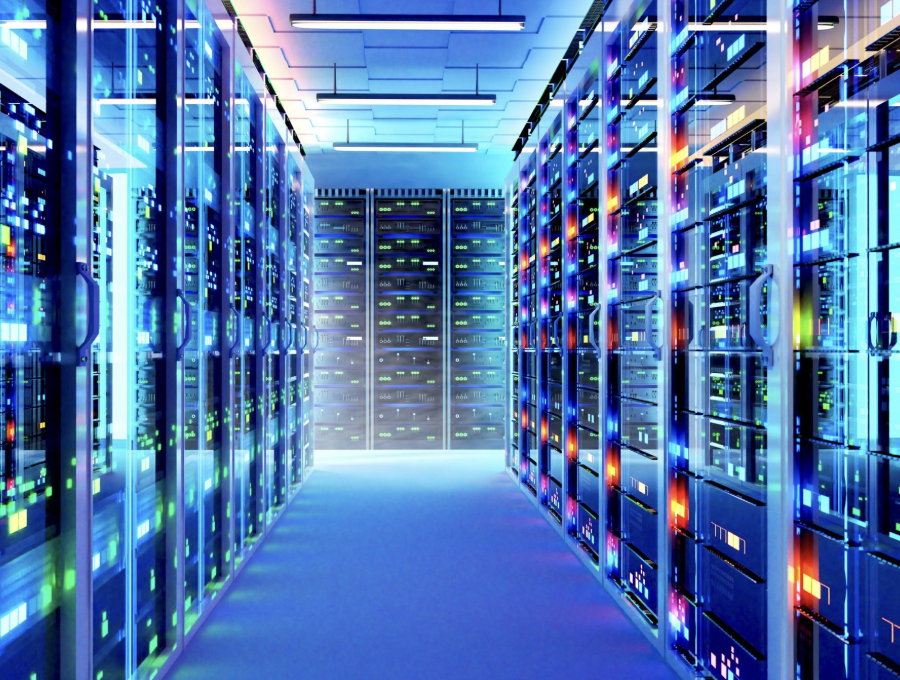
Energy Efficiency for Existing Data Centers
Achieving high energy efficiency in data centers is no small feat—it’s a complex dance for both designers and operations staff.